
A few weeks ago, I wrote a post on consistency. I was building myself a consistency buddy because I thought I needed it most, having struggled to follow through on hobbies and side projects most of my life.
Then I remembered I’m also the same person with a 650+ day Duolingo streak. I’ve been following through on that habit for over two years.
That got me thinking. What did Duolingo get right that my other systems didn’t?
I turned my own experience into a tiny case study of what made consistency possible for me.
1. Ridiculously low entry point
This is one of the first things I noticed about Duolingo. On a good day, I might sit down and actually learn new words and phrases. On busy days, I can still do some of the shortest exercises. In my case, that would be Japanese writing exercises. One character at a time, it takes barely any time, but it still counts.
All that matters is to show up.
We tend to design habits around what we can do on a good day. Two hours to work on a side project. An hour of proper workout. A 90-minute study session.
The question we should be asking instead: what does this habit look like on my worst day?
Because a good system doesn’t need every day to be perfect. It just makes it very easy for us not to have too many zero days.
2. Inconsistency is expected
Even with a lowered bar for showing up, there are days when that just isn’t going to happen.
You’re sick. You’re travelling. You forget. Or life simply happens.
Which is why there are streak freezes. And I think this is more important than it looks.
Missing a day because life happened shouldn’t feel like something you’re punished for. There is no “well, I broke the streak anyway” moment that makes it easier to abandon the habit altogether.
The system expects inconsistency. It gives you a way to absorb it and keep going. I think that’s a much more useful definition of consistency for me.
Not never missing a day. But being able to miss one and still come back the next.
3. Smaller, more frequent wins
I also noticed something else. Despite having a 650+ day Duolingo streak, I never had to plan months ahead. The goals are much smaller along the way. A 7-day friend streak. A 25-day streak goal. Baby steps.
That has always worked perfectly for me. Instead of telling myself I need to “get consistent” with preparing for a certification, I commit to a 21-day sprint. Twenty-one days feels doable. Six months doesn’t.
Maybe long-term consistency doesn’t always need a long-term commitment. Sometimes you just need to keep committing to the next small stretch.
4. Why so serious?
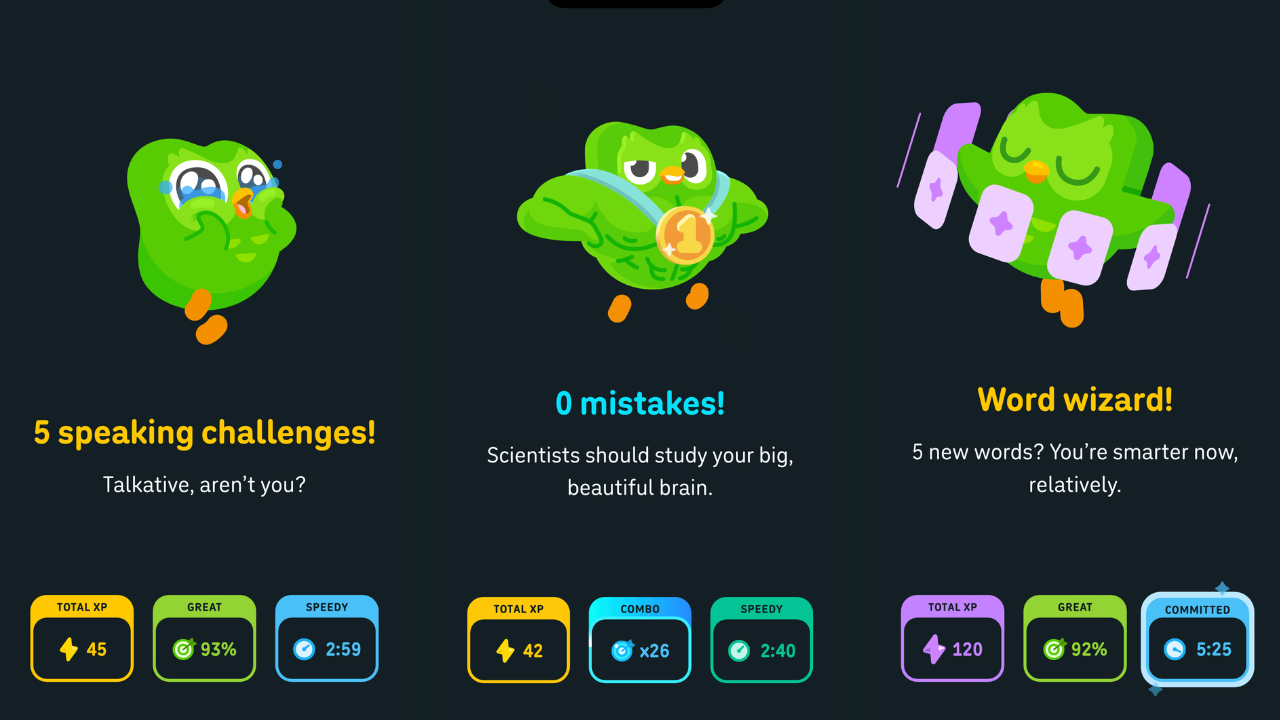
And then there is a personality. Duolingo could have built all of this around points, badges and perfectly polite reminders. But accountability doesn’t necessarily have to feel like serious work.
The humour is bold. Sometimes ridiculous. Or annoying. Effective nevertheless.

Duo hovers over your shoulder alright. It reminds you, nags you even, sometimes practically threatens to stop the nagging. But with right tone, it makes the pressure oddly tolerable, even desirable.
Maybe accountability doesn’t have to be soft. It just needs enough personality that you don’t resent coming back to it.
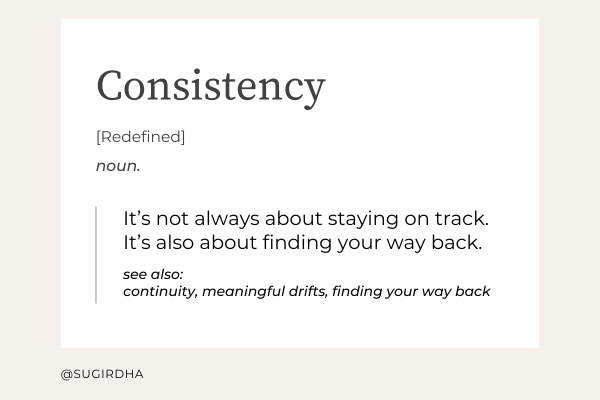
I ended my previous post on consistency with a question: When I lose the thread, how easy is it to come back?
This case study gave me part of the answer. “Finding your way back” is not just about willpower. The design of the system also plays a big part in making it easy to come back.